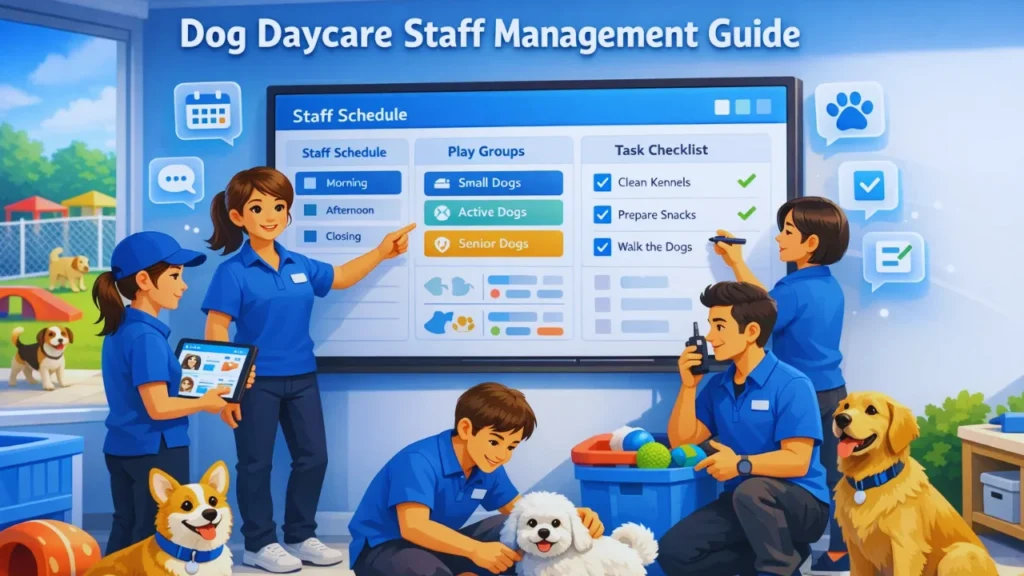
Choosing the best dog boarding facility means finding a safe, calm, and caring place where your dog can feel comfortable while you are away. A good facility follows daily routines, closely monitors dogs, maintains a clean space, and employs trained staff who understand dog behavior. The right choice comes from careful research, visiting the place in person, watching how staff treat dogs, asking clear questions about safety and health, and paying attention to how your own dog reacts. When a boarding facility prioritizes routine, emotional care, and clear communication with owners, it becomes a temporary home where dogs feel secure, and owners feel at peace.

The decision to leave your dog at home, even for a short period, is not an easy one. Many pet parents find that the most important thing to consider is not the actual trip itself, but rather where their pet will be kept and how they will be treated. A dog boarding facility offers more than just a location to house your pet when you are away. It is your pet’s temporary home, routine, and support system. Selecting the right dog boarding facility means ensuring your dog’s security, peace of mind, and emotional well-being. This guide will provide you with a clear understanding of the definition of a boarding facility, its differences from a kennel business, and how to pick the right one with an easy-to-follow, step-by-step process that everyone can follow.
What Is a Dog Boarding Facility?
A dog boarding facility is a professionally designed space that provides overnight or extended care for dogs while their owners are away. In contrast to pet sitting on an ad hoc basis, the boarding facility follows strict guidelines and safety protocols, providing supervised care. The dogs are fed according to a schedule with rest breaks and are monitored for stress. They are cared for by certified personnel who are familiar with canine behavior. The objective is to provide stability, security, comfort, and a sense of belonging in a new setting.
Many people associate a boarding facility with a general kennel, however, the focus is more on the dog’s experience than just offering accommodation. Dogs are monitored daily for any changes in their behavior, appetite, or mood. Clean and safe play areas, supervised playtime, and peaceful rest areas form part of the surroundings. To understand how these businesses operate in the background, read our comprehensive guide to Dog Boarding Business Operations. This guide explains how professional facilities manage daily routines, care, and security.
A great dog boarding facility does not aim to keep dogs occupied all day. It is about finding a balance between activity, rest, and emotional well-being to ensure that pets feel safe until their owners return.
Dog Boarding Facility vs Kennel Business (Clear Difference)

Many pet owners use the terms “boarding facility” and “kennel” interchangeably, but they are not always synonymous. Knowing the distinction can help you establish the appropriate expectations before choosing a location for your pet.
The kennel industry is typically focused on housing dogs in specific enclosures that are fed regularly and kept clean and sanitary. A dog boarding facility, usually, however, is more focused on the needs of the pet. It focuses on supervision, behavior monitoring, and structured interaction between pet owners. Although both offer secure environments, the methods and experiences can be different according to how the company is managed.
Below is a quick comparison to help you see the differences more clearly.
Dog Boarding Facility | Kennel Business |
Focuses on routine, comfort, and emotional care | Concentrates mainly on housing and containment |
Staff actively monitor behavior and stress | Supervision may be more limited |
Emphasizes cleanliness, rest, and calm handling | Often more functional than comfort-driven |
Strong communication with pet owners | Communication may be minimal |
Designed for both short and extended stays | Often designed for basic boarding needs |
To understand how kennel operations are structured at a business level, you can read our in-depth guide on Kennel Business models and management. Understanding this difference helps you determine the level of care your dog truly requires.
Why Choosing the Right Dog Boarding Facility Matters
Selecting the best dog boarding facility has a direct impact on the health of your dog, both physically and emotionally. Dogs are creatures of routine. Sudden changes could cause anxiety, stress, or behavior issues if they are not treated appropriately. A reputable facility is aware of this and tries to establish a routine that allows dogs to adjust more quickly.
If a facility is managed correctly, the dogs are adequately fed, sleep more soundly, and exhibit fewer signs of stress. However, an unsuitable setting can exacerbate barking, restlessness, and anxiety. A pet owner’s decision can also affect the trust. Knowing that your dog is secure will allow you to concentrate on your job without anxiety.
The most reputable dog boarding facility is not only concerned with the physical well-being of dogs, but also with their emotional and mental well-being. It detects emotional signals, offers calm handling, and helps pets feel safe. This is why the selection process should not be rushed or based solely on cost or convenience.
How to Choose the Best Dog Boarding Facility (Step-by-Step Guide)

Selecting the best dog boarding facility is not something to be taken lightly. The choice you make will affect the comfort, safety, and mental health of your pet when you are away. Instead of relying on advertisements or a quick internet review, it is recommended to follow a step-by-step procedure. These steps will help you go beyond superficial promises and gain a deeper understanding of how a facility operates daily. If you make the effort to consider your choices carefully, you are not simply choosing a location for your pet to stay. You are choosing the people, as well as the routines and a space, that will become your dog’s new home for a brief period. The following steps are designed to help you feel comfortable with your decision, be informed, and confident in your choice.
Step 1: Begin by doing careful research and shortlisting
The first step in selecting the most suitable dog boarding facility is to conduct thorough research, but not in a hurry. Many pet parents make the mistake of choosing the first option that appears on Google or is the most affordable. Instead, take a look at various places in your vicinity and observe how they discuss their routines, care, and supervision. Be aware of how they speak about animals, either as individuals or as numbers. A professionally run boarding facility describes how pets are fed, rested, monitored, and cared for throughout the day. Create a short list of two or three establishments that are transparent about their procedures and practices. It will give you the option of comparing quality rather than making assumptions. A solid foundation is laid for each decision you make, which helps avoid regret later.
Step 2: Visit the Facility in Person and Observe the Environment
A website might appear flawless, but a genuine visit will show the real. When you visit an animal boarding facility, make sure to utilize every ounce of your energy. The place should be neat, tranquil, and well-organized. The smell of strong odors, constant barking, or cluttered areas are warning signs. Check the areas where dogs sleep, eat, and relax. The dogs should not be left unattended or stressed out. A good pet care facility will not conceal its areas or rush your visit. Staff members should be comfortable walking the way and assisting with questions. Light, fresh floors and peaceful resting areas frequently indicate that the facility is committed to dog comfort. Visits to the place help you determine whether it feels secure and comfortable for your pet.
Step 3: Watch how Staff interact with dogs.
The staff members who take care of your dog are just as important as the building itself. When you visit, take note of how staff members interact with the dogs. Gentle, calm voices and a calm disposition are indications of experience. Staff members should not shout or rush, nor handle the dogs roughly. Simply ask questions and observe whether the answers are straightforward and confident, or blurred and rushed. A well-trained team is aware of the body language of dogs and how to manage anxiety before it develops into aggression or fear. When a dog’s owners respect and treat them with kindness, the dog feels safe. It helps you assess the spirit of the facility, not just its exterior.
Step 4: Understand Daily Routines and Structure
Dogs are most secure when they are aware of what is expected of them. This is why daily routines are among the most important aspects of a dog boarding facility. Find out when feeding times, rest times, walking times, and play times are scheduled. A good facility maintains a consistent schedule and doesn’t overload dogs throughout the day. The constant noise and play can lead to stress, particularly for anxious or older dogs. It is as important to rest as it is to play. When routines are clear and regular, dogs can adjust more quickly and feel safer. This helps you determine whether the facility truly cares about your dog’s emotional well-being, rather than simply paying regular attention to them.
Step 5: Ask About Safety, Health, and Emergency Plans
Nobody likes thinking about the possibility of an emergency however, a reputable dog-boarding facility will always plan for emergencies. Observe how they manage unexpected injuries, illnesses, or stress. There should be clear guidelines regarding vaccinations, the removal of dogs when necessary, and prompt access to veterinary care. Staff members should be aware of what to do if an animal refuses food or displays indications of fear. The precise answers demonstrate that you are responsible and have relevant experience. If the answers seem vague or uncertain, it is an indication to be cautious. Security is not just about locks and fences. It is about training, preparation, and clear guidelines that ensure the safety of each dog.
Step 6: Pay Attention to Your Dog’s Reaction
The dog’s behavior when you visit them can reveal more about you than words can ever tell you. Although some anxiety is normal when you are in an unfamiliar setting, extreme fear, shaking, or a refusal to move could be warning indicators. Pay attention to how your dog reacts to its surroundings and the people around it. Does your dog seem to relax, or does their stress level increase as time passes? A well-run boarding facility can help dogs relax and prevent them from becoming anxious or agitated. The confidence you place in your dog’s behavior is as necessary as relying on your own judgment. When you and the dog are at ease, you are making the right choice.
Important Questions Pet Owners Should Ask Before Choosing a Dog Boarding Facility
Before deciding on a dog-facility location, pet owners should inquire in a clear and precise manner to understand how the facility actually operates. The first question concerns the daily routine, including how often dogs are fed, walked, or allowed to relax. This can help owners determine if the facility maintains a peaceful routine or if dogs are overstimulated. It is also crucial to inquire about what dogs are kept in groups and monitored, particularly when your dog is timid, old, or prefers quiet places. The way staff deal with aggressive or nervous behavior provides insight into their expertise and resiliency. These questions will protect your pet from stress and ensure that they are considered an individual, not just a guest.
Another set of important questions should focus on health and safety. Pet owners should inquire about the necessary vaccines, how sick dogs are handled, and what measures are taken in the event of an emergency. It is helpful to know whether a veterinarian is available and how quickly the facility responds to health concerns. Concerns about staff training are equally important for caregivers, such as whether they understand how dogs behave and recognize signs of stress. Additionally, inquiring about how updates are communicated to owners reveals the level of transparency within the facility. A good boarding facility welcomes questions and provides clear answers to build confidence and trust.
Choosing a Boarding Facility for Anxious or Senior Dogs

Some dogs require additional care due to anxiety, age, or other health issues. A reputable facility should provide calmer environments, more flexible routines, and sensitive surveillance. Staff members should be able to recognize signs of stress and respond in a relaxed and professional manner. For dogs that are prone to anxiety, individualized treatments and minimal stimuli can create a big difference. A one-size-fits-all approach is not the best for every dog.
How Technology Helps Improve Boarding Care
Modern technology has significantly transformed the way dog boarding facilities care for animals. Many facilities are now utilizing pet boarding software systems that track food schedules, medications, and other special care instructions. It helps reduce the chance of human error and enables staff to monitor each dog’s schedule more precisely. Technology also allows facilities to keep detailed records of the dog’s behaviors, preferences, and health needs. With quick access to these details, pets receive a more personalized treatment. Instead of relying on memory, the staff can focus on consistency and comfort that makes dogs feel more secure in their new surroundings.
Technology also enhances communication between pet owners and the boarding facilities. Facilities may share updates, pictures, or activity reports that allow pet owners to feel at ease even while away. It increases trust and eases worries. Technology can also assist staff in organizing their schedules, monitoring capacity, and speeding up responses to problems. When used effectively, technology supports caregivers rather than replacing human care. It operates in the background to enhance safety, organization, and peace of mind, while real humans continue to provide love, patience, and hands-on attention to each pet.
Final Checklist Before You Book
Before making a booking, take the time to review your impressions. Ensure that the facility aligns with your standards of cleanliness, supervision, communication, and care. Check for emergency procedures as well as routines. Be sure to trust both your research and your intuition. Making a well-thought-out decision will result in more enjoyable experiences for both you and your pet.
Final Thoughts
Finding the most suitable dog boarding place is not about finding the most glamorous facility, but rather the most trustworthy and compassionate one. If a facility is focused on routine, calm handling, and openness, dogs adapt more easily, and owners tend to be more comfortable. When you understand what to look for and take a step-by-step approach, you can make a decision that will ensure your dog’s safety, comfort, and well-being, even when you are not there.
FAQs About Dog Boarding Facility
1. How long can a dog stay at a boarding facility?
Most dogs can stay at a boarding facility for a few days to several weeks. A well-managed facility maintains routines, rest periods, and monitoring, which helps dogs adjust even during more extended stays. The key factor is proper care, not the length of stay.
2. Do dogs feel abandoned when boarded?
Dogs do not feel abandoned when boarding is appropriately handled. Some dogs may feel confused at first, but calm routines, trained staff, and familiar care help them settle in quickly. Consistency and gentle handling make a big difference.
3. What should I bring when boarding my dog?
Please bring your dog’s regular food, any necessary medications, and an item that smells like home, such as a blanket or favorite toy. Familiar items help reduce stress and make your dog feel more secure.
4. Will my dog be supervised all day at a boarding facility?
A professional dog boarding facility provides regular supervision throughout the day. Staff monitor behavior, feeding, rest, and activity to ensure dogs stay safe and comfortable during their stay.
5. How can I tell if a boarding facility is right for my dog?
A good facility is clean, calm, and transparent about its routines. Staff should answer questions clearly, allow visits, and show genuine care for dogs. If your dog appears relaxed during the visit, it is a positive sign.