Starting a dog daycare business can be rewarding for people who love working with animals. Many pet owners rely on daycare services to keep their dogs safe, active, and supervised during the day. These owners trust you with their beloved companions every single week. Your daycare becomes an important part of their family routine. Success in this business depends on understanding what dogs and owners really need from you.
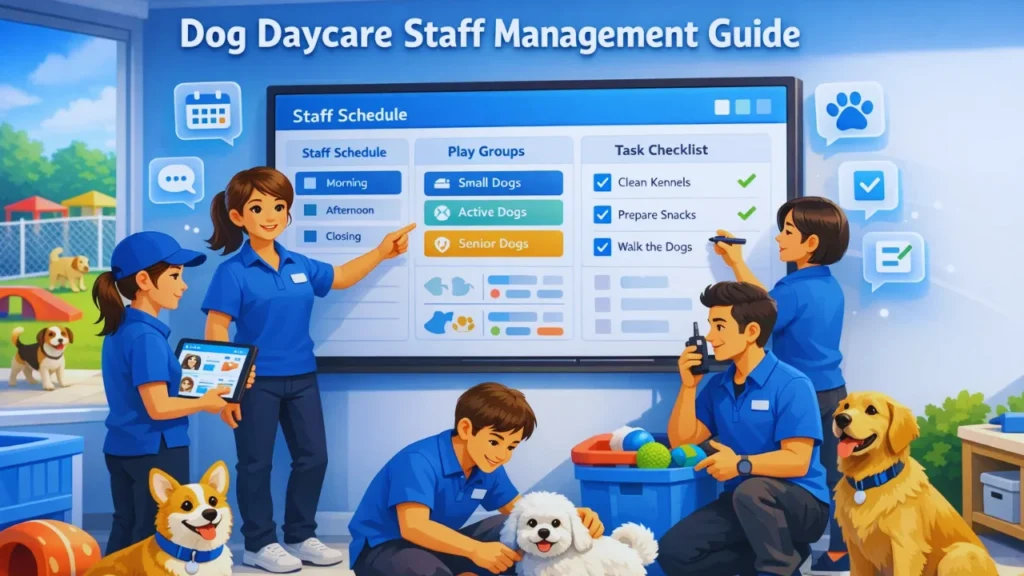
Dog daycare facilities involve responsibility, safety management, staff coordination, and daily scheduling. Without proper planning, daycare owners often make operational mistakes that affect pet safety and customer satisfaction. Staff members become overwhelmed and stressed when systems aren’t in place. Dogs experience anxiety and behavior problems from overcrowding and poor management. Customers lose trust when communication breaks down or accidents happen.
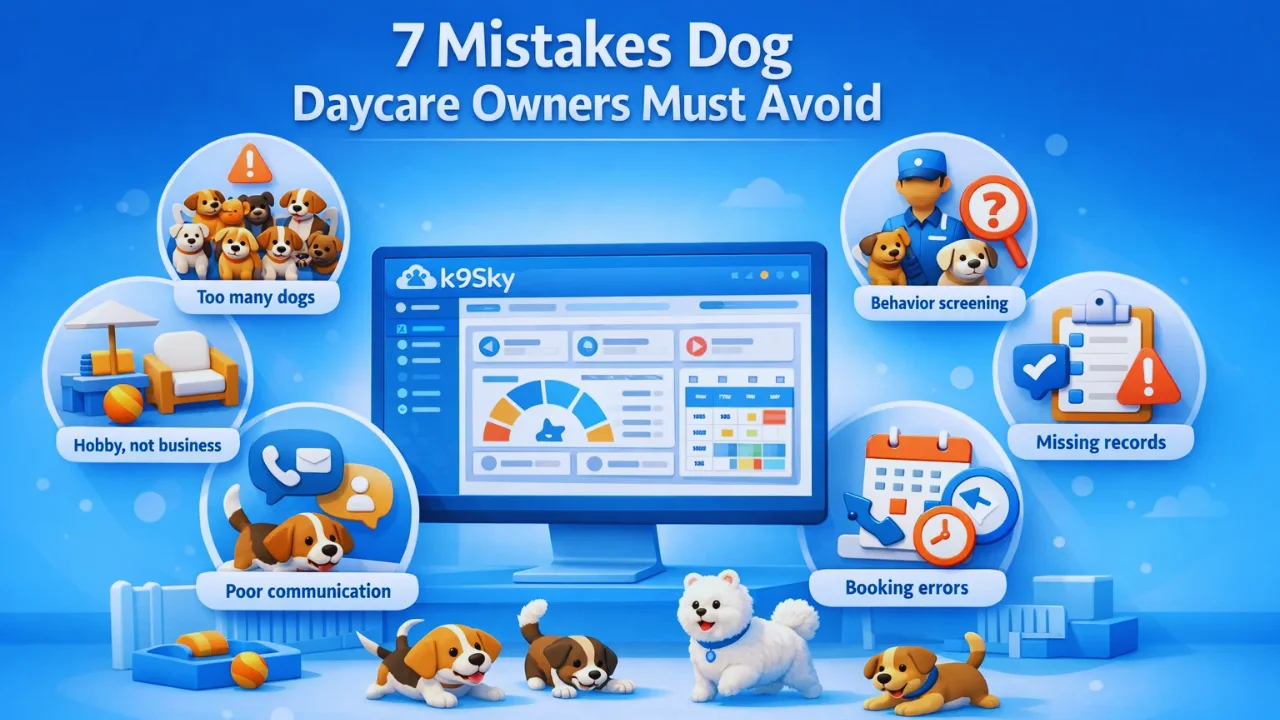
In this guide, we explain what a dog daycare business is and highlight common mistakes daycare owners make. You will learn practical solutions for avoiding these problems in your facility. Better staff management, clear processes, and modern scheduling tools help run your daycare more efficiently. Understanding these mistakes helps you build a stronger business that serves both dogs and customers well. This knowledge protects your reputation and keeps pets safe every single day.
What Is a Dog Daycare Business?
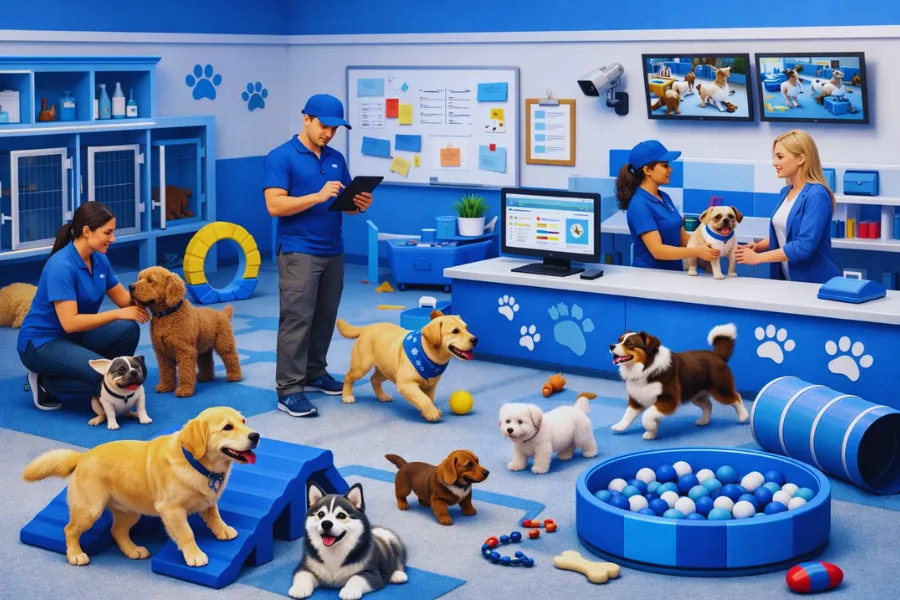
A dog daycare business provides supervised play and care for dogs while their owners are at work. Daycare facilities offer socialization and exercise opportunities for dogs that would otherwise stay home alone. Professional daycare keeps dogs mentally stimulated and physically active throughout the day. Trained staff members supervise dogs during play sessions and monitor their behavior carefully. Each dog receives attention and care in a structured environment designed specifically for their needs. The goal is to provide a safe, fun alternative to dogs staying alone at home during work hours.
Daycare businesses must manage many operational challenges beyond just watching dogs play together. Staff scheduling, capacity planning, client communication, and safety protocols require careful attention and planning. Pet records, including vaccination history and behavioral notes, must be organized and accessible. Booking systems prevent overbooking and help schedule dogs into appropriate play groups. Owners must balance accepting enough dogs to generate revenue while maintaining safety and quality care standards. Modern daycare owners understand that starting a daycare business requires systems, processes, and trained personnel working together smoothly.
Why Dog Daycare Owners Must Avoid Operational Mistakes
Pet safety risks increase significantly when daycare owners neglect proper operational systems and procedures. Overcrowding leads to stressed dogs, behavior problems, and dangerous situations for both pets and staff. Customer complaints and negative reviews damage your business reputation and reduce future bookings. team member burnout happens when staff members feel overwhelmed and unsupported in their daily work. Financial losses result from customer losses, staff turnover, and liability insurance claims.
Avoiding operational mistakes directly impacts your bottom line and customer satisfaction levels. Daycare owners who implement proper systems experience fewer incidents and higher customer retention rates. Well-trained staff members stay longer in their positions and provide better care for the dogs. Dogs behave better when they are in a properly managed environment with appropriate group sizes. Clear communication builds trust with customers and reduces misunderstandings about policies and procedures. Profitable daycares operate smoothly because they prevent problems before they happen.
Common Mistakes that Dog Daycare Owners Make
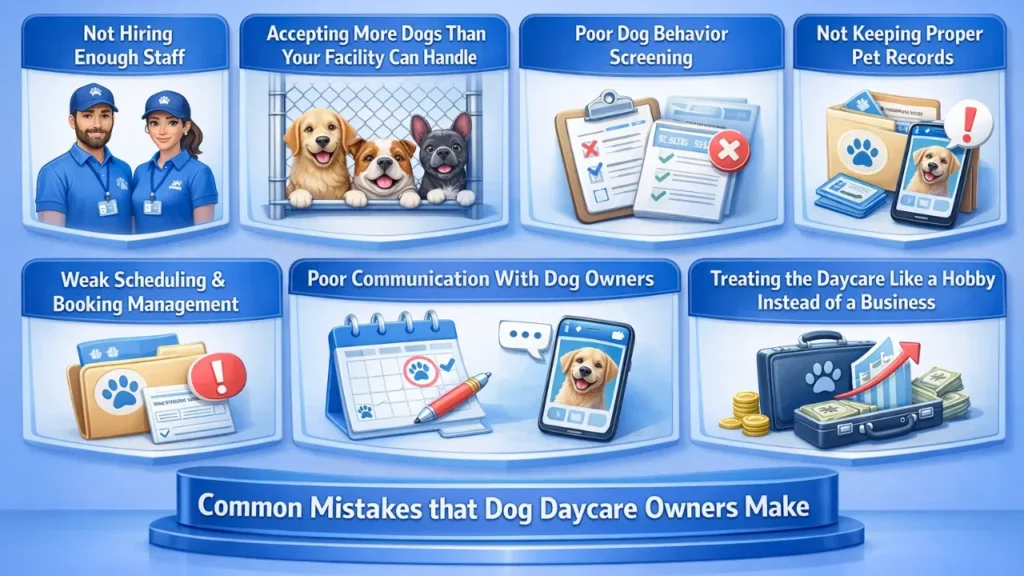
Many daycare facilities struggle because they underestimate the daily operational complexity required. Owners often start their business with enthusiasm but lack planning for safety, staffing, and daycare staff management. Understanding these common mistakes helps you avoid expensive problems down the road. Learning from others’ experiences saves your business time and money. This section explains each mistake and provides practical solutions you can implement immediately.
Mistake 1: Not Hiring Enough Staff
Poor supervision occurs when daycare owners try to save money by hiring too few staff. One person cannot safely supervise twenty or thirty dogs playing together at once. Without enough staff, dog fights break out because handlers cannot prevent them. Dogs experience stress and anxiety when they feel neglected or unsupervised in chaotic environments. Overwhelmed employees make mistakes and eventually leave to find less stressful jobs. Under-staffing creates a cycle of problems that damages your reputation and business success.
The solution is to hire enough trained handlers for your facility’s size and dog capacity. Industry standards recommend one handler for every five to eight dogs, depending on age and temperament. Trained handlers know how to recognize stress signals and intervene before problems happen. Professional daycare staff understand how to manage different dog personalities and prevent conflicts effectively. Investing in proper staffing costs money upfront, but prevents costly incidents and keeps customers happy. Quality staff members provide better care and create a safer, more enjoyable experience for every dog in your facility every single day.
Mistake 2: Accepting More Dogs Than Your Facility Can Handle
Overcrowding is one of the most common mistakes daycare owners make when trying to maximize revenue. Too many dogs in a single space create stress for every animal and significantly increase the risk of accidents. Stressed dogs display behavior problems, including aggression, anxiety, and destructive actions toward other animals. Safety concerns multiply when the facility is overcrowded beyond capacity limits. Dogs cannot get adequate individual attention or exercise in an overcrowded environment. Overcrowded daycares experience more incidents, injuries, and customer complaints than well-managed facilities.
Setting capacity limits based on your facility space and staff numbers protects both dogs and your business. Creating structured play groups of similarly sized or compatible dogs prevents conflicts and enables better supervision. Smaller groups give each dog more individualized attention and exercise opportunities throughout the day. Dogs feel safer and happier when they are in appropriately sized groups with compatible playmates. Turning away dogs when you are at capacity protects your reputation and prevents safety incidents. Quality care with fewer dogs builds a better reputation than poor care with too many dogs.
Mistake 3: Poor Dog Behavior Screening
Accepting dogs without proper behavior assessment creates serious problems for your daycare operations. Aggressive dogs can injure other animals and pose a danger to your staff members and the facility. Compatibility issues arise when you mix dogs with different temperaments and energy levels together. Lack of temperament testing means you don’t know how each dog will behave in group play situations. One aggressive dog can injure multiple other dogs and disrupt your entire operation. Poor screening also means accepting dogs that might themselves be injured or scared by other playmates.
Trial daycare days help you assess how each dog behaves in your specific facility environment. Behavior assessments during these trial periods clearly reveal temperament, aggression triggers, and socialization needs. Observing dogs during play helps you determine which groups they fit into safely and comfortably. Documenting each dog’s behavior creates a record for future reference and staff training. Rejecting dogs that don’t fit your facility prevents problems and protects the dogs already in your care. A careful screening process takes time but saves money and prevents incidents that can permanently damage your reputation.
Mistake 4: Not Keeping Proper Pet Records
Missing vaccination records create liability and health risks for all dogs in your facility. Behavioral history that is not documented means new staff members don’t have access to important information about each dog. Emergency contact problems happen when you cannot reach the owners quickly if their dog gets sick or injured. Dogs without proper records shouldn’t be accepted into your daycare for safety and legal reasons. Incomplete information creates confusion and delays when problems occur during business hours. Poor record-keeping exposes your business to legal liability and health code violations that can shut you down.
Digital client records keep all important information organized and accessible to your entire staff team. Complete dog profiles include vaccination status, behavioral notes, health conditions, and emergency contacts. Digital systems allow you to update records throughout the day and share information instantly with all staff. Backup copies of records prevent data loss from computer failures or accidents. Professional record-keeping protects you legally and helps staff provide better care for each dog. Well-organized records make onboarding new staff easier and ensure consistent treatment and supervision of dogs.
Mistake 5: Weak Scheduling and Booking Management
Overbooking happens when you accept more dogs than your calendar shows you have space for. Missed reservations frustrate customers and cost your business revenue. Staff confusion about daily schedules reduces efficiency and creates stress among team members. Manual scheduling using paper systems or basic spreadsheets results in frequent errors and conflicts. Customers get frustrated when they can’t easily book appointments or check availability online. Poor scheduling also makes it difficult to plan staff shifts and training sessions effectively.
An appointment scheduling system prevents overbooking and helps staff plan their day effectively every single day. Digital booking systems show available time slots and prevent double-booking the same space with too many dogs. Automated confirmations remind customers about their reservations and significantly reduce missed appointments. Staff members can view the schedule from anywhere and know exactly what to expect each day. Modern scheduling tools integrate with billing and client management systems to provide complete operational control of your facility. Cloud-based systems allow customers to book appointments twenty-four hours a day without staff involvement.
Mistake 6: Poor Communication With Dog Owners
Unclear policies lead to misunderstandings about what your daycare offers and how you operate day to day. When owners don’t receive updates about their pets, they worry and lose confidence in your facility. Lack of communication breeds a loss of trust that can never be fully recovered once broken. Customers choose competitors who keep them informed about their dogs’ daily activities and well-being. Poor communication leads to negative reviews and word-of-mouth complaints, hurting your reputation. Owners want to know their dogs are happy, safe, and receiving quality care while at your facility.
Daily reports and photos show owners that their dogs are safe, happy, and having fun at daycare. Clear written policies help customers understand your rules, pricing, and what to expect from services. Regular updates through email or apps keep owners connected to their pets throughout the day. Addressing concerns promptly shows owners that you value their business and care about their dogs. Excellent communication builds customer loyalty, leading to positive reviews and referrals from happy families. Video updates or live streaming allow owners to check in on their dogs occasionally during work hours.
Mistake 7: Treating the Daycare Like a Hobby Instead of a Business
No business planning means you don’t have clear goals or strategies for growing your facility. A poor pricing strategy results in charging too little for your services and in reduced profit margins. Without operational systems, your daycare runs chaotically, and you make decisions reactively rather than proactively. Inconsistent processes confuse staff and customers about how your facility operates each day. Hobby-minded owners often fail because they don’t treat the business professionally or strategically. Businesses without proper planning typically fail within the first few years of operation.
Professional structure means creating written policies, documented procedures, and clear operational systems. Proper pricing based on your costs, market rates, and service quality ensures profitability and sustainability. Management tools help you track finances, schedule staff, and organize client information efficiently every day. Written processes ensure consistency regardless of which staff member is working each day or time period. Treating your daycare as a real business leads to stability, growth, and long-term success in your market. Business owners who invest in professional systems and training experience better financial results than those who don’t.
How Daycare Software Helps Prevent These Mistakes

Dog Daycare business Software addresses multiple operational challenges simultaneously, dramatically improving efficiency. Scheduling features prevent overbooking and help staff plan daily activities and supervision. Digital client records keep all important information organized and accessible in one central location. Dog profiles within the software track vaccination history, behavioral notes, and special care requirements. Staff management tools help you schedule employees, track hours, and manage payroll effectively.
Capacity planning features show you exactly how many dogs can safely fit in your facility each day. Automated reminders notify owners of upcoming appointments, significantly reducing missed bookings. Integration with payment systems streamlines billing and reduces administrative work for your team. Reporting features provide insights into your business performance and profitability metrics. Software solutions specifically designed for dog daycares understand your unique operational needs and challenges.
Tips for Running a Successful Dog Daycare
Running a successful dog daycare requires consistent attention to safety, quality, and customer service standards. Train your staff properly on dog behavior, safety protocols, and your facility policies and procedures. Maintain dog safety protocols by consistently enforcing proper supervision and group-size limits. Limit daily capacity based on your facility space and staff availability to prevent overcrowding. Maintain accurate pet records for every dog, including vaccination status and behavioral observations.
Use management tools and software solutions designed specifically for dog daycare operations and administration. Create clear written policies that customers understand before their first visit to your facility. Document everything, including incidents, behavioral issues, and daily activities for every dog. Schedule regular staff meetings to discuss challenges and improve your processes and procedures. Communicate regularly with customers about their dogs’ activities and address any concerns immediately. Invest in staff training and development to enhance skills and reduce turnover. Review your pricing annually to ensure you are charging fairly for the services you provide.
Conclusion
Avoiding operational mistakes helps dog daycare owners maintain safety and build lasting customer trust. When you implement proper systems and processes, your daycare runs smoothly and efficiently every day. Dogs stay safe and happy in a well-managed environment with appropriate supervision and group sizes. Customers feel confident leaving their beloved pets in your professional care. Staff members enjoy their jobs when they work in an organized, well-supported environment.
A successful daycare business combines proper planning, qualified staff, safety protocols, and management systems. These elements work together to create an excellent experience for dogs, customers, and employees. If you want to manage scheduling, client records, and staff coordination more efficiently, modern software can help streamline your operations. Taking time to avoid these common mistakes now prevents bigger problems in the future. Your investment in better systems and processes pays dividends through improved safety, customer loyalty, and business profitability.