
A dog grooming business plan is a practical roadmap for starting, running, and growing a grooming salon or mobile service with confidence. It clearly defines your goals, target customers, services, pricing, daily operations, marketing approach, and financial expectations, helping you avoid costly mistakes and plan for long-term success. By following a structured step-by-step plan and using the right management tools, grooming business owners can stay organized, make smarter decisions, and build a profitable, sustainable business from day one.

Every marvelous structure starts with a blueprint; without it, builders won’t know the exact dimensions, materials, or layout. What you create, at the end of the day, is a building that is highly at risk of collapse or long-term damage. You should recall this analogy whenever the idea of starting a business comes to mind.
In the context of entrepreneurship, your business plan is the blueprint for your business. Just as a blueprint guides the construction of a building, your business plan outlines how your business will be built, operated, and grown.
What’s more, business plans also serve as a complementary roadmap for your company. Just as a roadmap helps a traveler navigate, a business plan allows entrepreneurs to make decisions, anticipate obstacles, and stay aligned with their long-term goals.
In this blog, we will walk you through our 7-step template for completing your business plan. This guide expands on the planning stage and includes a free PDF sample of a business plan template to help you get started with your dog grooming venture.
What is a Dog Grooming Business Plan?

If you are interested in starting a dog grooming business, you must begin with a business plan. But what exactly is a dog grooming business plan, and what does it include? To put it simply, it is a written document that outlines the purpose of your venture and key aspects such as:
- The business’s goals
- target market
- services offered (such as bathing, trimming, and styling)
- pricing
- marketing strategies
- operations
- financial projections
A dog grooming business plan basically helps you spot problems before they happen and plan smart solutions. So, instead of making choices only after a problem or situation has already occurred, you are planning.
The Importance: Why Your Salon Needs a Plan
Here’s what it means when you are planning: you are not just writing on paper; you are aiming for crucial results for your business. Since you want to guarantee growth and stability, there are many benefits in creating a well-crafted business plan that will help you have a competitive advantage.
Key benefits include:
- Securing Loans and Funding – You would likely attract lenders and investors if your salon demonstrates clear goals and strategies.
- Defining Measurable Goals – Tracking your progress becomes easier if you set specific targets for revenue, customer growth, and service expansion for your salon.
- Identifying Market Gaps – By looking at what your competitors are doing and what customers want, you can uncover ways to offer services that no one else does or reach markets that haven’t been reached yet.
- Reducing Startup Risks – It is best to plan for problems ahead of time so you can avoid making expensive mistakes and make smart decisions before you spend money.
With these benefits, you can trust that you are positioning your dog grooming business for growth and long-term stability. A solid business plan not only provides a roadmap but also gives you a strategic advantage in the industry.
The 7-Step Template: Writing Your Complete Business Plan

Now that you have the foundation, it is time to show you how to use our 7-step template. The goal here is to help you build a complete, sound business plan for a dog grooming salon, and to craft your own with our free PDF sample.
1. Executive Summary: Your One-Page Pitch
The executive summary is written last but read first. The executive summary is a concise overview of your entire business plan. It highlights the salon’s concept, target market, services, and unique value proposition.
Think of it as a clear snapshot of your business that encourages potential investors to read the details.
This section should also briefly include your funding request. You should mention how much funding you need and how you plan to use it, including expenses such as equipment, staff, and marketing.
2. Company Description: Your Structure and Vision
There is one sure thing: all businesses must follow the rules. Now you need to determine your business’s legal structure, where it will be located, and its mission and vision.
Here is the detailed overview of your company description:
- Legal Structure – Choose whether your salon will be a sole proprietorship, a partnership, or a limited liability company (LLC). For each of these, there are different rules for taxes, liability, and management.
- Location Type – Explain where you are now or where you plan to be in the future (home-based, storefront, or mobile service), and why it works for your target market.
- Mission Statement – Let people know why your salon exists, what you do, and what you stand for.
- Vision Statement – Share your long-term goals: what you want your salon to do in the future.
3. Market Analysis & Competition: Defining Your Niche
Now that you know how your business will work and what its goals are, it is time to go out into the market and look around. The market analysis section helps you understand who your ideal customers are, how to beat your competitors, and how to make your salon stand out. Important steps are:
- Research Your Target Market – Learn about your target customers by identifying their age, income, pet ownership trends, and where they live. Additionally, you must consider their values, as they influence their purchasing behaviors.
- Analyze Competitors – Identify your competitors’ weaknesses to determine what you need to improve. Visit the websites of local salons or mobile pet groomers to learn what services they offer and their prices.
- Identify Your Niche – Figure out what makes your salon unique and who you want to serve, such as luxury grooming, senior dogs, or specific breeds.
Always note that you are not only selling something; you are solving a problem for your customers. This ability to solve problems is what makes your goods or services truly useful. If you focus on the value you offer, it helps your business stand out more and connect with your customers.
4. Services and Pricing Strategy: Setting Profitable Margins
Determining your target customers and competitors’ offerings helps you set prices that are both attractive to clients and beneficial to the salon.
In this part, you will describe your Grooming services and confirm that your pricing is appropriate for your business. Points to pay attention to:
- Service Menu Planning – prepare a comprehensive list of all the services you provide, including basic grooming, full grooming, and extra services such as nail trimming or special treatments.
- Profitable Pricing Calculation – check that your rates include the cost of your time, labor, and materials, and that they are in line with the local market rates to ensure that you have a good profit margin.
- Think About Package Deals or Memberships – bundle your services or offer a subscription plan, and you will not only keep your customers coming back but also watch your income grow gradually.
5. Operations & Management Plan: The Daily Process
It is not enough to just list your goals; you also want to picture how your salon will actually run day to day. At the end of the day, you would like to have tasks organized, responsibilities assigned, and your clients consistently receiving high-quality service.
The operations and management section of your plan will guide all of this. Here’s what to focus on:
- Daily Workflow – you can make a list of the steps to track what happens and when, from checking in customers to grooming, cleaning, and checking them out.
- Staffing Needs – Figure out how many dog groomers, helpers, and support staff you need to run your business every day.
- Facility Maintenance – your salon must always be safe and welcoming for pets and staff alike. There should be routines for cleaning, sanitizing tools, and keeping your salon in top shape.
- Scheduling & Software – Use grooming appointment management software to make booking easy and avoid double-bookings or missed appointments.
6. Marketing and Sales Strategy: Reaching Pet Owners
Starting your business is just the beginning; you still need to get the word out about your salon and bring in customers. This is what marketing is all about. You should remain attuned to the culture within your target market to determine how to achieve widespread visibility.
Key elements include:
- Advertising Budget – Set aside funds for marketing while keeping an eye on your return on investment.
- Channel Strategy – Determine where to find new clients, such as through social media, local clinics, pet stores, flyers, or print ads. Platforms like TikTok Reels are excellent right now. Joining in on popular memes or challenges can quickly make you more visible.
- Customer Retention Goals – Plan ways to keep clients coming back, like loyalty programs, follow-up reminders, or special promotions.
- Brand Messaging – Ensure your salon’s value, services, and unique selling points are clear so you stand out from the competition.
7. Financial Projections: Cost, Funding, and Profit Forecast
For the last step, you will have the financial projections section to show the economic feasibility of your dog grooming salon and help guide planning. Accurate projections give you a clear view of the resources you need, expected returns, and overall financial health.
Focus on:
- Projected Startup Costs – Figure out how much money you’ll need for furniture, equipment, grooming tools, rent deposits, initial inventory, and working capital.
- Three-Year Financial Plan – Outline estimated revenue, ongoing expenses, and anticipated profits over the first three years.
- Required Funding – Determine how much capital you need to start and sustain operations until your salon becomes profitable.
- Cost Management – To ensure that your business remains financially healthy, you should include strategies to monitor and control expenses.
Mobile vs. Salon: Adjusting Your Strategy
If you want to see an example of a mobile dog grooming business plan, remember that your plan will need to be a little different from one for a regular salon. The basic steps for planning are the same, but how you handle money, operations, and marketing will be very different.
Here is a quick side-by-side comparison to make it easier to see the differences:
| Section of Business Plan | Mobile Dog Grooming Model | Brick-and-Mortar Salon Model |
|---|---|---|
| Startup Costs | Lower van + equipment. | Higher rent + build-out. |
| Operating Expenses | Fuel, vehicle upkeep. | Utilities, staff, and facility upkeep. |
| Service Capacity | Fewer appointments; travel limits volume. | Higher throughput with multiple stations. |
| Pricing Strategy | Premium for convenience. | Standard pricing; packages. |
| Target Market | Busy, elderly, high-income, multi-pet homes. | General local customers. |
| Marketing Approach | Hyper-local ads: “mobile dog groomer near me.” | Local SEO, in-store promos. |
| Operations & Scheduling | Route planning, weather considerations. | Staff scheduling, walk-ins. |
| Regulatory Requirements | Mobile permits, sanitation for vans. | Zoning, facility permits. |
| Scalability | Add vans/dog groomers. | Expand the facility or open a new branch. |
Free Resources: Get Your Template, Sample & PDF
If you are looking for a dog grooming business plan example or a business plan for a dog grooming salon, this section has precisely what you need. Many business owners prefer downloadable guides they can edit right away, so we have prepared an easy-to-use file to help you start planning faster.
- Click Here to download the free dog grooming business plan template in PDF format and access a complete sample you can customize for your own grooming business.
Putting Your Business Plan to Work
And with that, you are ready to go. You have a well-crafted dog grooming business plan example that will provide the necessary clarity, direction, and assurance that your dream salon will be a success.
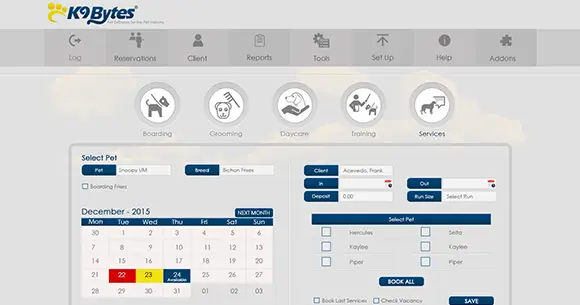
Although planning is the first step, executing your business plan for a dog grooming salon effectively requires the right tools. Using professional pet grooming management systems, such as K9sky, enables you to monitor progress, control operations, and keep them aligned with the goals outlined in your plan.
FAQs About Dog Grooming Business Plan
1. How long does it take to create a dog grooming business plan?
Most owners can complete a solid business plan in a few days if they already know their services and target customers. Taking time to research pricing and local demand improves accuracy.
2. Do I need a business plan if I’m starting small or working alone?
Yes. Even solo groomers benefit from a plan because it helps control costs, set realistic prices, and avoid mistakes as the business grows.
3. How often should a dog grooming business plan be updated?
A business plan should be reviewed at least once a year or anytime you change pricing, add services, expand locations, or switch between mobile and salon models.
4. Can software replace parts of a business plan?
Software cannot replace planning, but it helps execute it. Scheduling, customer tracking, and reporting tools make it easier to consistently follow the plan.
5. What is the biggest mistake new grooming business owners make?
The most common mistake is underpricing services and ignoring operating costs. A clear plan helps set prices that cover expenses and support long-term profit.