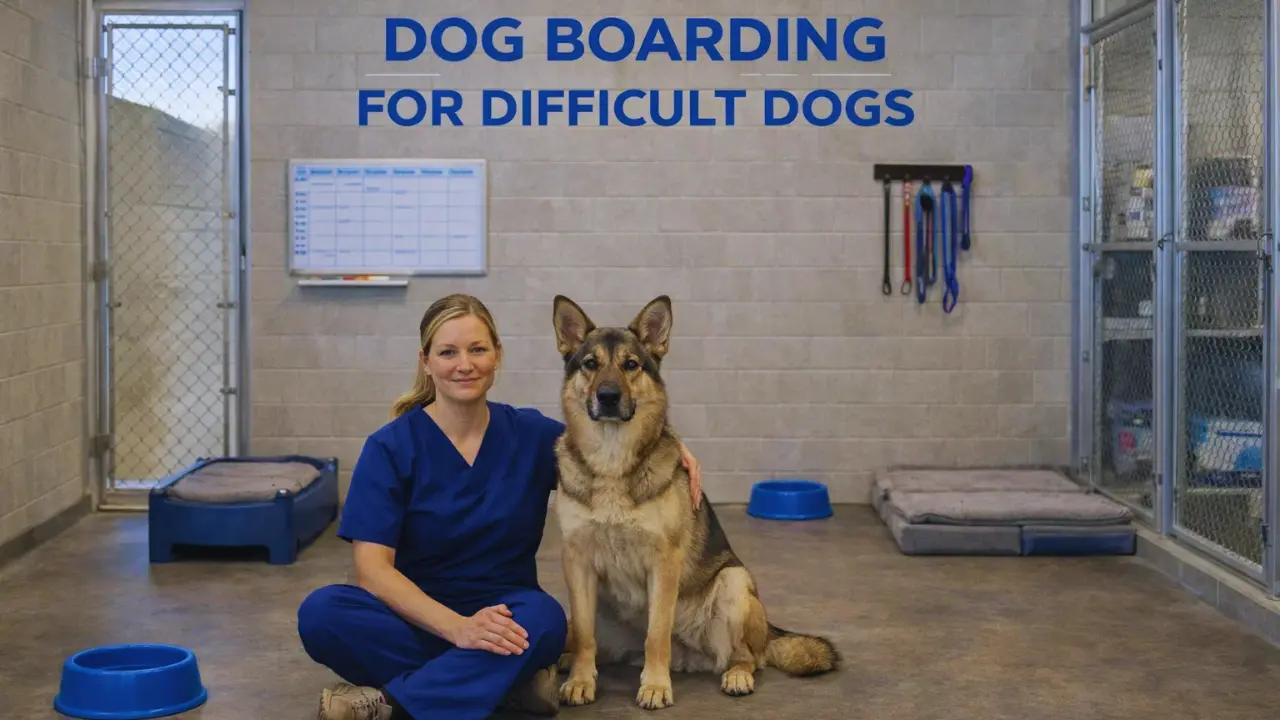
In this article, you will learn how dog boarding for difficult dogs works, including what makes a dog difficult in a boarding environment, how facilities evaluate and manage behavioral challenges, and what safety measures are used to reduce stress and risk. We explain the differences between difficult, aggressive, and reactive dogs, outline the step-by-step boarding process, discuss when boarding is appropriate and when it is not, and explore alternative care options when traditional boarding may not be suitable. The goal is to help you make a safe, realistic, and responsible decision for your dog’s well-being.
Boarding can be very stressful for any dog; however, this stress is intensified if your dog experiences anxiety in new situations. The new environment, unfamiliar people, new smells, and disruption of daily routine can become too much for many dogs sooner rather than later.
Boarding a “difficult dog” does not mean the dog is a bad dog. A “difficult dog” simply needs extra care and attention during boarding. This may be because the dog feels anxious, shows signs of aggressive dog behavior, or has trouble adjusting to new places. These dogs need more structure, patience, and support to feel safe during dog boarding for difficult dogs.
In some cases, dog boarding for difficult dogs is nevertheless doable with proper preparation, clear communication, and reasonable expectations. The key is to understand how the process works and where its boundaries are.
What Are Considered Difficult Dogs in Boarding Environments?
Difficult dogs in boarding facilities are those who struggle with stress, strange routines, or being around other dogs and people. These issues may be chronic or situational. Some dogs act happily at home but become distressed when separated from familiar settings. Others are aware of certain behavioral tendencies that require careful handling.
What Is the Difference Between Difficult Dogs, Aggressive Dogs, and Reactive Dogs?
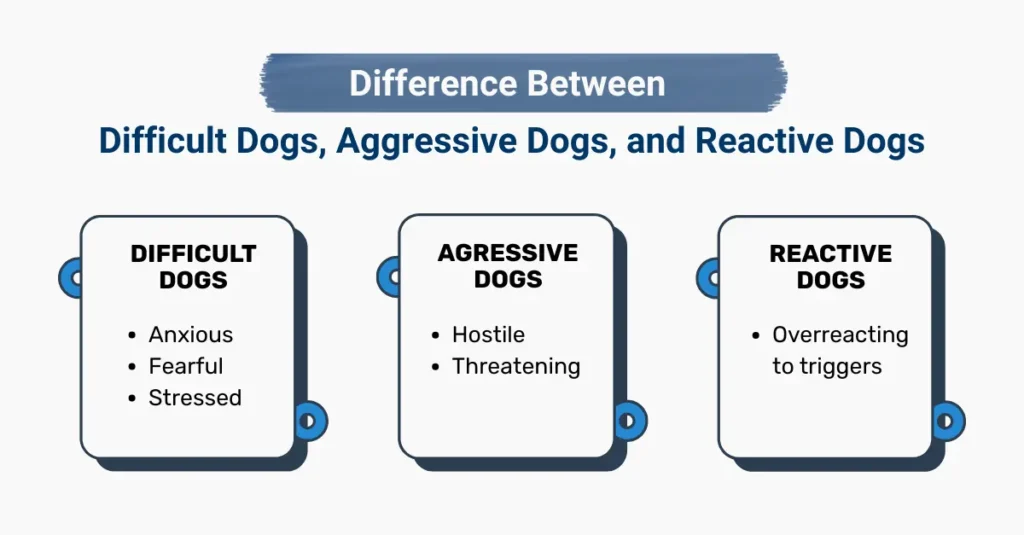
- Difficult dogs: Problematic behavior exhibited by dogs, such as excessive anxiety, fear, guarding, or stress-related behaviors that need close supervision.
- Aggressive dogs: Hostile dogs that may harm people or other dogs when they feel threatened.
- Reactive dogs: Overreact to stimuli (noise, movement, etc.) due to fear or overstimulation.
Understanding this distinction will help you provide appropriate care and realistic expectations for boarding a difficult dog.
How Difficult Dogs Are Boarded (Step-by-Step Overview)
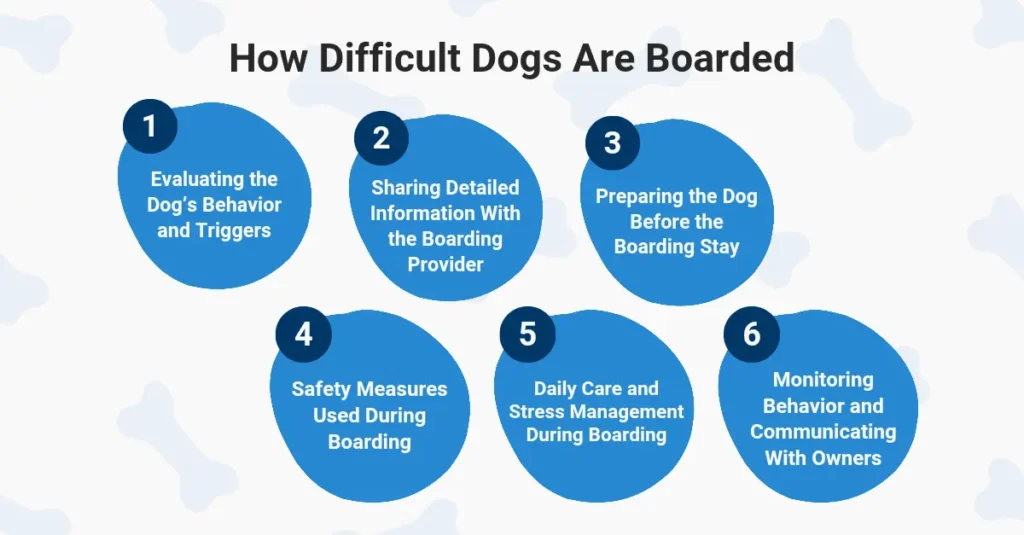
When boarding a dog with behavior difficulties, the process is usually more formal and strict than when boarding a dog without problems. The main purpose of boarding at this time is no longer to get to know others, but to ensure a safe, predictable atmosphere, which lowers tension.
Step 1 – Evaluating the Dog’s Behavior and Triggers
Usually, the first step is an evaluation. Caregivers look at the dog’s past behavior, such as what can make it angry, how stressed it is, and how much stress it can handle. This helps you decide if it is a smart idea to board a dog that is difficult to handle and how much supervision is needed.
Step 2 – Sharing Detailed Information With the Boarding Provider
Owners play a crucial role in this situation. Being honest about behavior history, warning indications, routines, and techniques to calm down makes handling safer. It’s important to be honest with each other while boarding difficult dogs, since not telling the whole truth makes things riskier.
Step 3 – Preparing the Dog Before the Boarding Stay
Standard aspects of preparation include reinforcing basic cues, practicing short separations, and gently introducing new scenarios. When boarding difficult dogs, bringing along things they know, like bedding or toys, could help them relax.
Step 4 – Safety Measures Used During Boarding
The most important thing is safety. Risks are lower when areas are controlled, separation standards are defined, and things are handled carefully. Many boarding kennels for difficult dogs don’t allow them to play with other dogs and keep them away from triggers that set off their behavior.
Step 5 – Daily Care and Stress Management During Boarding
Daily routines are easy to follow and don’t change. Feeding, resting, and avoiding excessive activity can help keep stress in check. Staff pay special attention to body language, which is very important when boarding a reactive dog.
Step 6 – Monitoring Behavior and Communicating With Owners
Regular observation and concise updates help track progress and identify problems. Many boarding settings use organized record-keeping and communication strategies to ensure safety and consistency as care routines become more formalized. They do this through their boarding page resources.
Common Behavioral Traits That Make Dogs Difficult to Board

There are a few things that can make boarding more difficult:
- Stress and anxiety from being apart
- Being reactive to people or dogs
- Responses to handling based on fear
- Triggers for aggression that have to do with space, food, or contact
These attributes don’t make up the dog’s personality, but they certainly affect judgments about boarding for dogs that are difficult to handle.
Why Boarding Is More Challenging for Difficult Dogs
Boarding takes away things that make you feel at home. Moving to a new place, changing routines, having too much to accomplish, or not having enough personal space can all raise stress levels. These modifications make things even worse for dogs that have trouble following rules. They respond even more fiercely, making it even more difficult to board them.
Is Dog Boarding Safe and Possible for Difficult Dogs?
Yes, in some situations. When problems are easy to handle, personnel are well-trained, and expectations are reasonable, boarding can be effective. But safety depends on honesty and proper treatment. When boarding a problematic dog, the goal is not to force them to adjust, but to reduce stress and injury.
Why Regular Boarding Facilities Often Reject Difficult Dogs
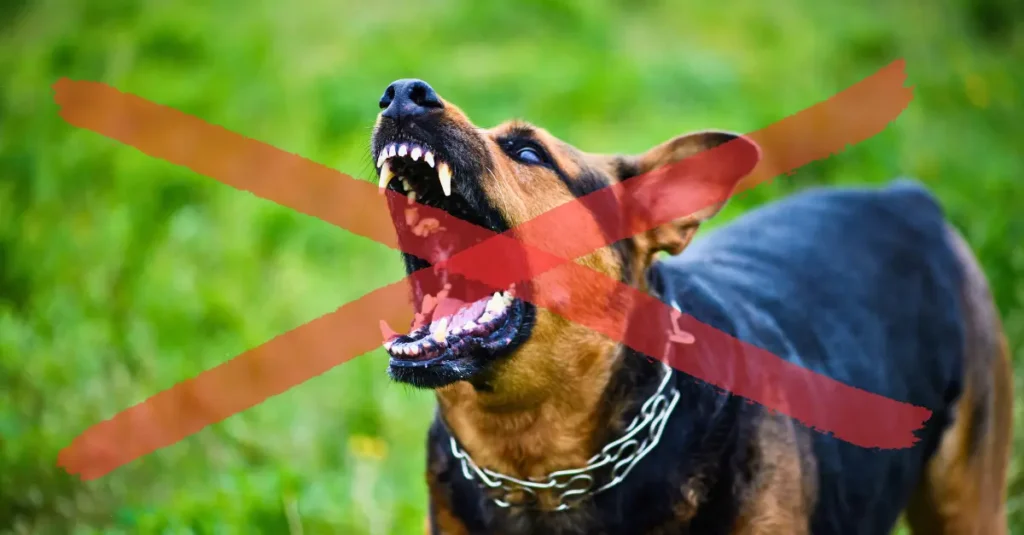
Standard facilities are provided for friendly dogs that can adjust. They often turn down aggressive, very reactive dogs because they are concerned about safety, have too few workers, or fear being sued. This isn’t saying no to the dog; it’s acknowledging its limits.
How Dog Boarding for Difficult Dogs Differs From Standard Boarding
Some of the main distinctions are:
- More one-on-one care
- Limited or no contact between dogs
- Changed routines
- More oversight
These changes are very important for appropriate dog boarding for difficult dogs.
Types of Dog Boarding Options for a Dangerous Dog
Some options are:
- Specialized boarding facilities
- Behavioral boarding schools
- Caregivers with experience stay with you at home
- Veterinary or medical boarding for dogs who have both health and behavior problems
Each choice has a different amount of structure and risk, especially when it comes to dangerous dog boarding.
How is Boarding Software Helpful for Difficult Dog Boarding?
Dog Boarding Software Systems can support care by tracking observations, documenting progress notes, and reporting incidents. It helps keep things the same when used appropriately, but it doesn’t replace hands-on care for challenging dogs in boarding.
Risks and Limitations of Boarding Dogs With Severe Behavioral Issues
Some common problems are behavioral escalation, delayed adjustment, and inconsistency when more than one caregiver is involved. When boarding difficult dogs, you should anticipate these problems and address them before they occur.
When Dog Boarding Is Not the Right Choice for Difficult Dogs
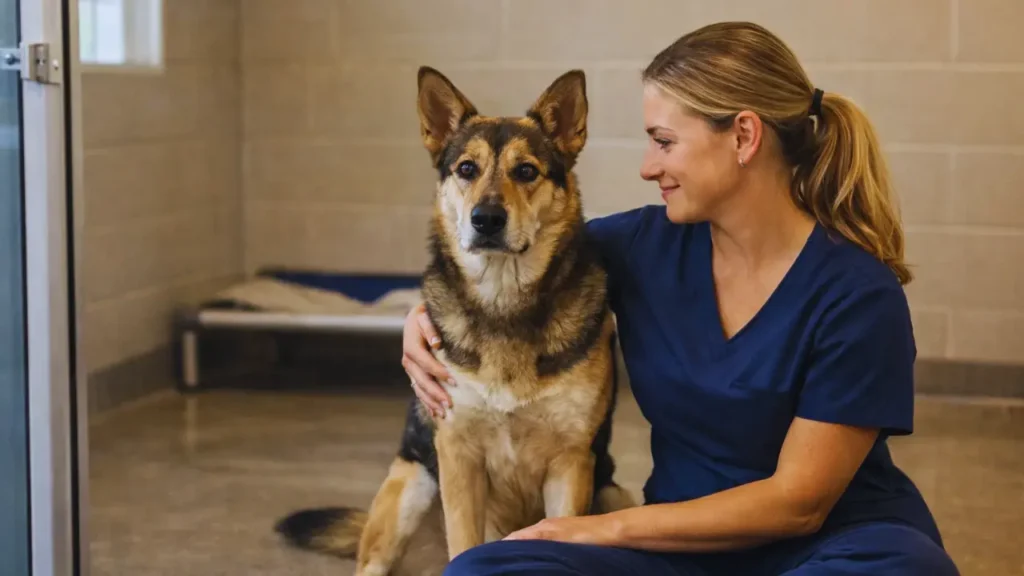
Very aggressive dogs, dogs with behavior problems connected to their health, or dogs with triggers that are hard to forecast may not be able to board. In these situations, alternatives should be given more weight than ease.
Alternatives to Traditional Dog Boarding for Difficult Dogs
Safe alternatives to boarding a difficult dog include:
- Home care
- Short-term pet sitting
- Care by a trusted family member
Many of these alternatives will often reduce the dog’s stress level more than boarding in a kennel, where it would be difficult to manage and care for a dog that requires special handling.
Choosing the Right Setup for Dogs With Behavior Challenges
Not all dog boarding is the same. When it comes to dogs with behavior problems, preparedness, honesty, and setting realistic expectations are more important than where they live or how easy it is for them to get there. The point of boarding a difficult dog is to keep them safe and healthy, not to make them feel better when they don’t want to. It’s always best to choose what really helps the dog.
FAQs About Pet Boarding for Difficult Dogs
1. Can medication help a difficult dog during boarding?
In some cases, yes. A vet may recommend temporary anxiety support, but it should never replace proper handling and a calm environment.
2. Should I do a trial boarding before a longer stay?
Yes, short trial stays can reveal how your dog reacts and help staff adjust care before a full overnight booking.
3. How long does it take a difficult dog to adjust to boarding?
It varies. Some dogs settle within a day, while others may need several days or may never feel fully comfortable.
4. Can a muzzle-trained dog still be boarded safely?
Possibly, but only in facilities with experience in structured handling and clear safety protocols.
5. Will boarding make my dog’s behavior worse?
If the setup is chaotic or unsuitable, it can increase stress. The right environment reduces that risk.
6. How do I know if a facility truly understands difficult dogs?
Ask specific questions about handling, supervision levels, and separation policies. Clear, detailed answers show real experience.