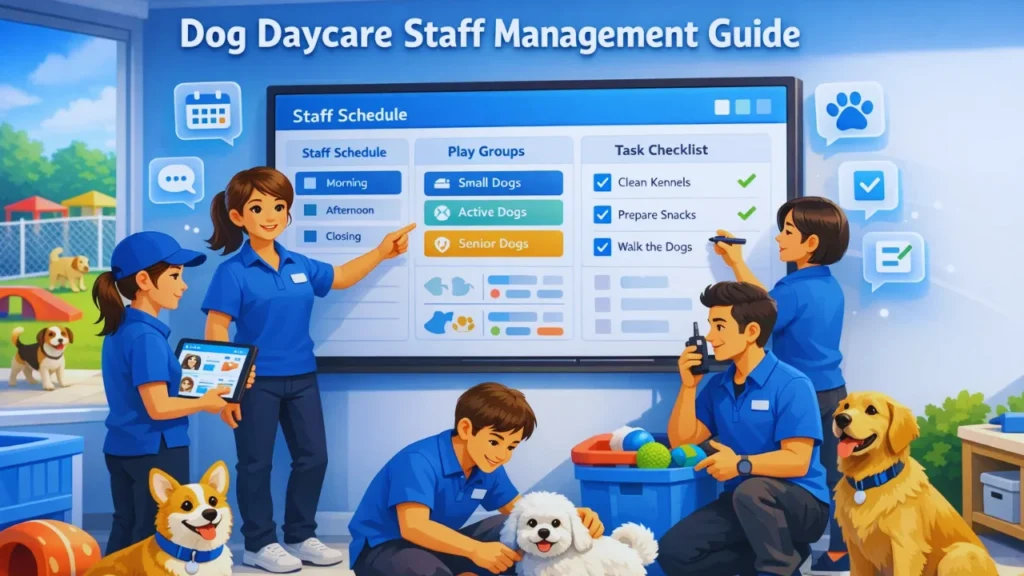

This article will serve as your handbook for all dog care issues. We will begin by defining what pet daycare really is, take you through a typical day, and discuss the various types of facilities available. We will also make this clear by comparing daycare with other services, such as boarding and pet sitting. This all-inclusive guide will help a first-time owner and an experienced professional understand how this service can benefit your dog’s daily life.

In modern, hectic society, our time is usually filled with work, shopping, and social obligations. Though we value our furry companions, hectic schedules mean most pets spend much of their time alone at home. This change in contemporary pet care has made dog daycare such a crucial provision to pet owners. It provides a way to ensure our dogs remain active and happy even when we are not around.
What Is Dog Daycare?

To put it simply, dog daycare is a professional facility where dogs are dropped off for the day to play, socialize, and rest under the supervision of trained staff. Think of it like a preschool for dogs. It is a day-only care service, meaning there are no overnight stays involved.
A good pet daycare offers a programmed program that consists of:
- Supervised Play: Dogs will play in groups under expert supervision to ensure fair play.
- Safety First: The facilities have dog-safe flooring, fencing, and health provisions.
- Socialization: It provides dogs with a controlled environment where they learn to interact with dogs of different breeds and temperaments.
One should realize that dog daycare is a comparison to casual pet sitting. Whereas a pet sitter will come to your home and take your dog for a walk, a dog day care will provide a truly immersive, monitored environment where your dog will never be alone again. It is an active way of caring for a dog that focuses on mental and physical activity rather than just bathing.
What Industry Is Dog Daycare Part Of?
When you are wondering what the dog daycare industry is, it is the pet care services industry, a growing sector that provides day-to-day care and support for pets. Professional dog daycare services are also part of this industry and cater to the needs of dogs whose owners are away throughout the day. With the evolution of modern dog care, pet daycare has become a necessity for many households.
Other pet care businesses directly related to dog daycare include grooming, boarding, and training, which fall under the umbrella of the dog daycare industry. All services serve a purpose and can contribute to a dog’s well-being, behavior, and routine. The industry is still expanding, with more pet parents seeking affordable yet high-quality pet day care that accommodates their hectic schedules and offers their dogs safe, well-structured facilities.
How Does Dog Daycare Work?
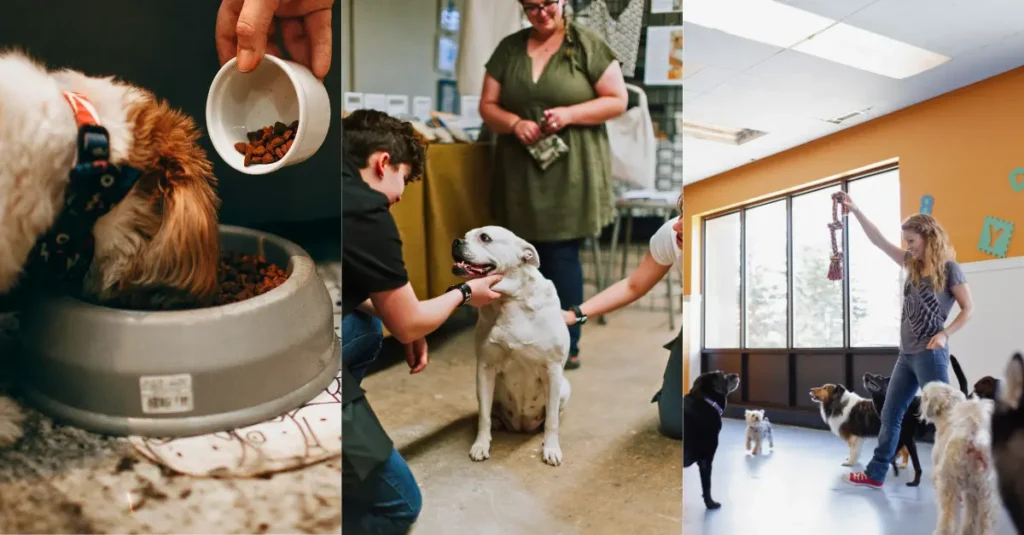
This section explains the dog daycare’s day-to-day operations. Having insight into the activities at every phase can guide pet parents on the organization, management, and routines that set dog daycare apart from casual care options.
And if you have never entered a facility, you may think it is a room full of running dogs. As a matter of fact, a properly managed pet daycare business is highly organized and attended to.
1. Dog Drop-Off and Check-In
The day begins with a smooth arrival process. During check-in, staff will perform a quick health and behavior check to ensure your dog is feeling their best and ready to socialize. This is also the time to provide specific owner instructions, such as medication needs or a specific lunch schedule.
2. Group Assessment and Playgroup Placement
Safety is the priority in a facility. Staff complete an assessment before joining the fun to determine which group best fits them. Dogs are separated into playgroups based on size, age, and temperament. This makes it safe and compatible, hence all the dogs are at ease with their playmates.
3. Supervised Play and Activities
Once in their groups, the dogs enjoy structured playtime. This consists of physical supervision by trained professionals who observe the group’s body language. The Staff offers mental and physical stimulation by playing games and interacting with one another, creating a positive, stimulating atmosphere.
4. Rest, Feeding, and Calm Periods
Dogs need rest to avoid overstimulation. Most daycares will have scheduled breaks in a quiet area. These restful times are used to control the feeding habits of those dogs that need a midday meal, so they will have time to digest and then play again.
5. Pick-Up and Owner Updates
Once you pick them up, you will get a report on how your dog’s day went. The vast majority of facilities will provide a behavior summary, including their energy level. This regular communication keeps you in touch with what is going on in your dog’s social life.
Different Types of Dog Daycare
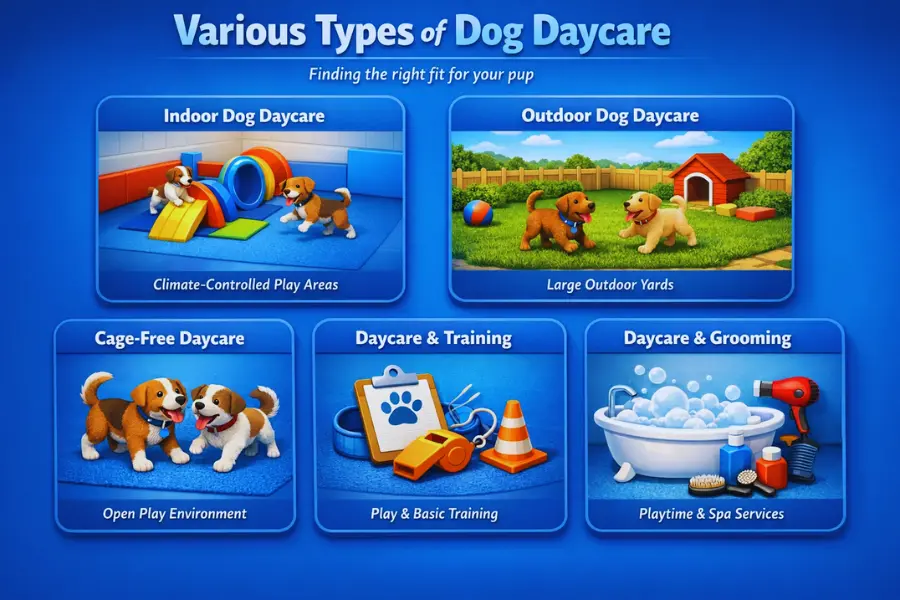
There are different types of dog daycare, and not all facilities have the same facilities. Some types of dog daycare may be better suited to your dog and your schedule than others. Such models vary depending on available space, services provided, and supervisory style.
1. Indoor Dog Daycare
These facilities are perfect for urban areas or regions with extreme temperatures. Because they are in a climate-controlled space, your dog stays cool in the summer and warm in the winter. This setup ensures a consistent, year-round operation, with play never canceled due to rain or snow.
2. Outdoor Dog Daycare
If your dog wants to smell the grass and play in the sun, an outdoor model is a good choice. These day cares have expansive playgrounds so that high-energy breeds can release steam. However, they are more subject to weather limitations, so they often have backup indoor areas for stormy days.
3. Cage-Free Dog Daycare
This is a popular “open play” concept where dogs are not kept in crates or runs during the day. Instead, they remain in a communal area with continuous supervision. It’s a great fit for highly social dogs who thrive on constant interaction and a more “home-like” feel.
4. Daycare Combined With Training
For owners who want to multitask, some facilities offer basic obedience reinforcement during the day. Your dog learns through a consistent routine, practicing skills like sitting at doors or walking politely on a leash while they are already there for play.
5. Daycare Combined With Grooming
This type focuses on ultimate convenience for owners. You can drop off a messy pup in the morning and pick up a clean, fluffed, and tired dog in the evening. These add-on services, like nail trims or full baths, save you an extra trip to a separate Grooming Salon.
Dog Daycare vs Other Pet Services
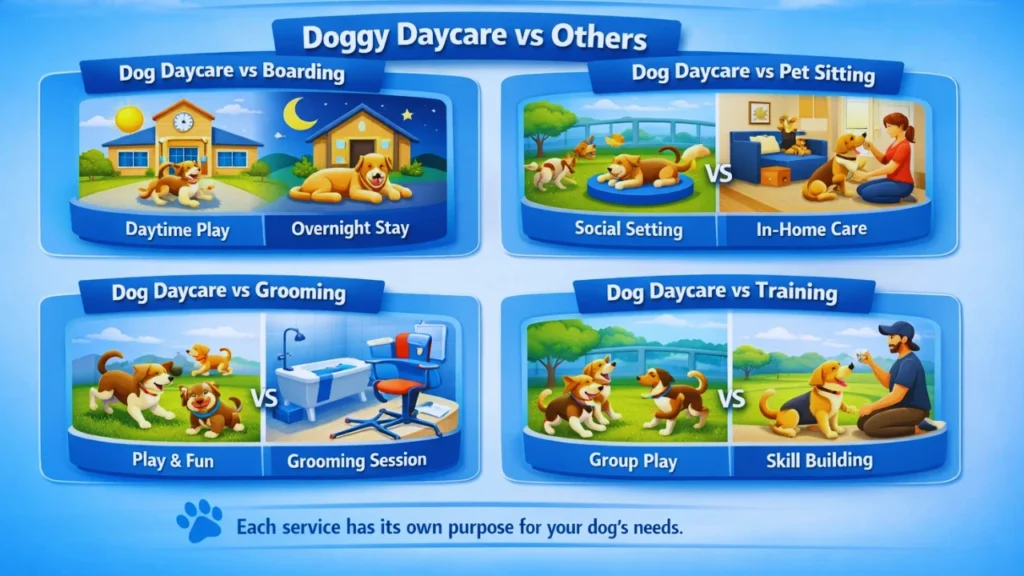
Because the world of pet care has expanded so quickly, it’s common for new owners to feel overwhelmed by the options. Dog daycare is often confused with other services because many businesses offer “all-in-one” packages. However, each service serves a particular purpose for your dog’s routine and well-being.
1. Dog Daycare vs Boarding
The biggest difference here is the clock. Dog daycare is a day-only service where you pick up your dog before the facility closes. On the other hand, pet Boarding is for overnight or long-term stays, such as when you go on vacation. While daycare focuses on daily energy burning, boarding focuses on providing a safe “home away from home” for multiple days.
2. Dog Daycare vs Pet Sitting
This comes down to the environment. Dog daycare offers supervised group care in a professional facility with lots of other dogs. Pet sitting usually involves a professional coming to your house for home care. While sitting is great for dogs who prefer their own couch, daycare is better for those who need social interaction and a change of scenery.
3. Dog Daycare vs Grooming
It is easy to mix these up because many daycares have a grooming tub on-site. However, pet grooming is a service-based visit where you go for a specific task, such as a haircut or nail trim. Daycare is about daily care and engagement. You might book a grooming appointment during daycare, but they are two different types of visits.
4. Dog Daycare vs Training
While both are educational, their goals differ. Daycare focuses primarily on socialization and burning off steam in a group. Training is focused on skill-building, such as learning “stay” and “heel,” or on correcting specific behavioral issues. Think of daycare as recess and training as the classroom.
What Is the Role of Daycare Software in Dog Daycare Services?
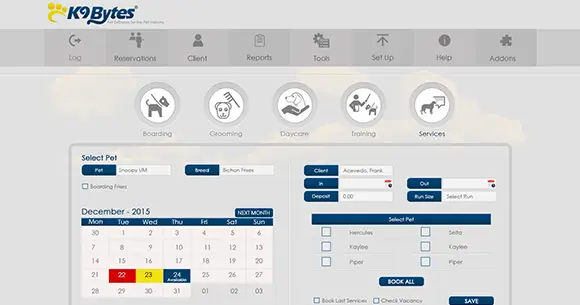
Pet Daycare software helps a business’s daycare operations run effectively by scheduling, tracking attendance and space, and allowing staff to plan activities and supervise effectively. It can also store valuable data, such as feeding instructions, energy requirements, medical records, and playgroup choices, so employees can deliver consistent care and respond promptly to fluctuations.
Also, the software will facilitate contact with pet owners, update and send them daily notes, and effectively maintain records, enhancing overall safety, order, and daily activities without substituting for hands-on care.
- Facilitates capacity and schedule management.
- Follows tracks, behaviors, patterns.
- Enhances communication with owners of pets.
- Helps uphold order and security.
Who Is Dog Daycare Best For?

Dogs that benefit through day-to-day socialization, organized activity, and supervision are better off in dog daycare. High-energy puppies that need a lot of physical exercise and mental stimulation can enjoy this physical activity and interact safely with others in a natural, functional social setting.
It also suits busy owners who are unable to be at home all day, as well as dogs with less severe separation anxiety, who may be reassured by the routine and company. Nevertheless, not all dogs can be placed in daycare, and aggressive dogs, exceedingly shy dogs, or those with serious health problems might do better in one-on-one care or other arrangements than in a group environment.
Final Thoughts
At its core, dog daycare is more than just a place for your pet to wait for you to come home. It is a structured, supervised daily care option designed to provide mental stimulation, physical exercise, and vital socialization. By understanding the different types of facilities and how daily operations work, pet owners can make much better decisions about their dog’s unique personality and health needs.
Choosing the proper care is about finding a balance between your busy lifestyle and your dog’s happiness. When you find that perfect fit, you gain the peace of mind that comes from knowing your furry family member is in a safe environment, returning home happy, tired, and well-cared for.
FAQs About Doggy Daycare
1. What are the red flags for dog daycare?
Red flags include overcrowded play areas, no temperament testing, poor cleanliness, untrained staff, and no proof of vaccination requirements. If the facility avoids giving tours or answering safety questions, that’s also a warning sign.
2. Is it better to leave a dog at home or at daycare?
It depends on your dog. Social and high-energy dogs usually benefit from daycare, while calm or anxious dogs may prefer staying home. The right choice depends on personality, age, and daily needs.
3. How many days should a dog go to daycare?
Most dogs do well with 1 to 3 days per week. This gives them exercise and social time without causing overstimulation or exhaustion.
4. Is 10 hours too long to leave a dog alone?
For many dogs, yes. Being alone that long regularly can lead to boredom, anxiety, or behavior problems. Puppies and high-energy breeds especially struggle with long hours alone.
5. How much does dog daycare usually cost per day?
In the U.S., dog daycare typically costs between $25 and $50 per day, depending on location, services, and facility size.
6. Is dog daycare safe for senior dogs?
It can be, but only if the facility separates dogs by size and energy level. Senior dogs often need quieter groups, shorter play sessions, and more rest time.