Starting a successful dog grooming business requires building a strong foundational plan, which acts as a guide for every decision. This blueprint must clearly define your salon’s purpose, detail the services and competitive pricing, and outline a robust marketing strategy to attract clients. Critically, it must include a realistic budget for startup costs, which typically fall between $10,000 and $50,000 for essential equipment and rent. By systematically planning your finances and incorporating a strategy for future growth (like hiring or expanding retail), you ensure your business is organized and prepared for long-term profitability.

If you love dogs and enjoy caring for them, starting a dog grooming business can be a fun and rewarding way to turn your passion into a career. Growing numbers of pet owners are spending money on grooming services because they want their pets to be clean, good-looking, and well.
Hence, grooming has emerged as one of the most rapidly expanding aspects of the pet care industry. Running a dog grooming business lets you help pets look and feel their best while earning a good income doing what you love.
Just by brushing, trimming, bathing, and styling, you make both the dogs and the owners happy. Now, here’s what you need to know to start your dog grooming business.
What Is a Dog Grooming Business?
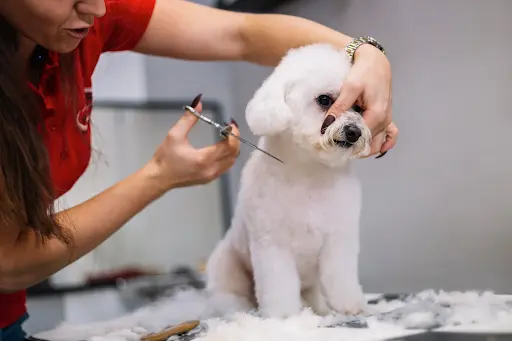
A dog grooming business provides professional grooming care to keep dogs clean, healthy, and well-maintained. Services include bathing, brushing, trimming, haircut styling, ear cleaning, nail clipping, de-shedding, and sometimes specialized coat treatments. Overall, it improves both a dog’s appearance and comfort.
Groomers evaluate the specific dog’s skin condition and select the appropriate tools and techniques. They spend their day grooming dogs, cutting hair to breed standards or owner requests, dry-brushing their coats, and keeping each pet safe during the session. They also clean the workplace and manage appointments for smooth operations.
That said, dog grooming combines creativity, technical skill, and care. And groomers must understand dog behavior, clip and style hair, and create a calm space for all dogs.
How to Start a Dog Grooming Business
If you want to start a dog grooming business, here’s what you need to know. With passion, patience, and planning, you can turn your dream into a successful business.
Begin by following these simple yet important steps.
1. Plan Your Services and Prices
A successful dog grooming business starts with choosing the services you want to offer, such as bathing, trimming, nail care, and styling. Sell at a reasonable price by researching local competitors and identifying what would be valuable to pet owners.
2. Find a Good Location with Steady Foot Traffic
The second step is to select an area that will support steady growth. A neat and accessible place with pets is less challenging to locate for clients. Focus on the availability to make sure that the owners can drop off and pick up their dogs conveniently.
3. Buy Grooming Tools, Equipment, and Furniture
Once you know where you are heading, invest in high-quality grooming equipment, including tables, clippers, dryers, tubs, scissors, and brushes. Provide seating places that are comfortable for the owners who prefer to wait. Quality tools save time, improve safety, and help your dog grooming business stand out.
4. Create a Clean, Safe, and Comfortable Grooming Space
The salon must be bright and welcoming after you have collected your equipment. Maintain a clean and organized workspace to ensure a comfortable pet grooming experience. Good lighting, ventilation, and flooring can help lower stress for both pets and their owners. With good lighting, ventilation, and flooring, you can lower stress for pets and their owners.
5. Market Your Business to Local Pet Owners
Finally, promote your salon to the local area residents who have pets. Build trust using social media, community events, and partnerships with local shops and veterinarians. An excellent service brings repeat clients and referrals.
Dog Grooming Business Plan

A well-established dog grooming business plan is the foundation for success. Think of your plan as your roadmap, and it shows where you want your business to go and how you’ll get there.
1. Purpose of a Dog Grooming Business Plan
The first part of your business plan for dog grooming should explain your purpose. Why do you want to open a grooming salon? What are your prospective customers? Be clear about your goals, as this guides all your business decisions.
2. Key Elements of a Dog Grooming Business Plan
A comprehensive business plan will provide a detailed description of your services, target audience, pricing strategy, marketing strategy, and estimated income. Start by identifying the grooming services that you would like to offer. Include a model of pricing and the worth of your experience. The plan must also break down startup expenses, anticipated monthly expenditures, and revenue objectives, allowing you to assess progress effectively.
3. Budget and Startup Projection Growth Strategy
Budgeting is another necessary element that should be taken into consideration. List your estimated dog grooming business start-up costs, such as tools, renovations, and marketing. The ideal median amount to start with is $10,000- $ 50,000, based on the size and quality of the equipment.
4. Growth Strategy
Nobody is better than planning your success through formulating an expansion plan. You can reflect on future expansion plans, such as adding more groomers, retailing pet supplies, or establishing a second salon in the same town.
Through thoughtful planning and a clear business plan, your dog grooming business starts on a firm foundation, ensuring you are organized, driven, and prepared for success from day one.
Dog Grooming Business Startup
Most small grooming salons will cost between $10,000 and $50,000 to open, depending on factors such as size, location, and the equipment selected. Starting a dog grooming business requires careful budgeting, and understanding your startup costs helps you plan with confidence.
The following are the estimated startup costs:
1. Salon setup and equipment
A significant portion of the startup capital is allocated to outfitting the salon and purchasing necessary equipment. Grooming tables range in cost from $150 to $800, while clippers and scissors cost between $100 and $300 each.
Dryers cost $300 to $1,000, tubs $800 to $2,500. You also need brushes, blades, shampoos, towels, cleaning supplies, and safety gear.
2. Rent, renovation, and supplies
Then consider rent, utilities, and potential renovations. The prices of monthly rent are diverse, but typically range from $800 to $3,000, depending on the location and traffic.
Renovations, including the addition of a tub, new flooring, improved ventilation, or a reception area, can range from $2,000 to $10,000. Simple equipment, such as storage bins, lighting, shelving, and waiting-room chairs, is also part of your setup budget.
3. Marketing and branding
The investments made early are marketing and branding. The advertised cost ranges from $300 to $2,000 for signage, logo creation, website development, and early advertising. Marketing can be inexpensive using social media; however, professional branding helps your salon stand out initially.
4. Training and staff (if applicable).
Consider training and payroll when creating a budget, especially if you plan to hire employees. Groomers at the entry level may require practical training, and their pay can range from $12 to $20 per hour, depending on their experience. When investing in qualified personnel, the quality of the service and trust towards the client are raised.
The positive thing is that you can go small and expand. Most of the new groomers open with basic equipment, a small room, and minimal renovations.
With an increasing number of clients, you can upgrade, expand the salon, or introduce new services. With smart planning and realistic budgeting, your dog grooming business can grow steadily and successfully.
How Much Can a Dog Grooming Business Make?

Perhaps you are thinking, “How much can a dog grooming business make?” It will reflect on your pricing, customer satisfaction, and your overall effectiveness. Most grooming salons charge between $40 and $90 per dog, depending on the type of salon and the services offered.
A small dog bath and trim costs $45, and a full groom for a big dog may cost $80 or more. Grooming a dog at six dollars each per dog means that you make a profit of $300 a day, or $1500 a week.
These amounts will vary depending on the growth of your dog grooming business. With a stable base of loyal customers, most small salons generate between $50,000 and $100,000 annually, while larger or older ones often earn even more.
Seasonal trends are also needed to consider and plan for. Peak seasons, such as spring and summer, are typically ideal times to schedule additional grooming appointments. Non-peak seasons, on the other hand, allow you to focus on marketing or upgrading your setup.
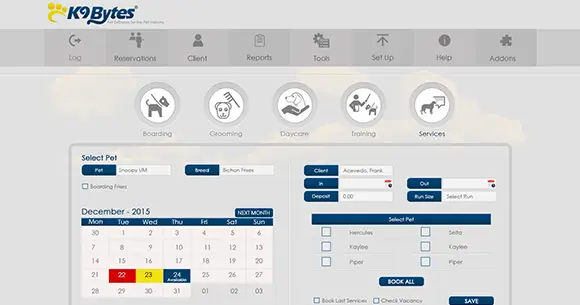
Through consistent service, satisfied customers, and the effective use of management tools like grooming software, your dog grooming business can grow from a small startup into a more stable and profitable company.
Is a Dog Grooming Business Profitable?

A dog grooming business can thrive when handled with care, consistency, and high-quality services. The grooming industry is a repeat-service industry, and therefore, most salons generate a stable income.
Dogs require bathing, trimming, and nail care every four to eight weeks, which can be a reliable and recurring source of income. The groomers will be able to continue earning regularly, even during the low seasons, and clients can remain loyal throughout the year.
The margins of grooming services are generally high, as most salons retain up to 40% of their income as profit after paying rent, supplies, and labor. Good service boosts these margins, as customers who have a positive experience are more likely to pay higher prices and often leave a tip.
The success of the business is also highly dependent on your Grooming Packages pricing strategy. Charging according to your competence, the quality of your equipment, and the demand in the area will earn you a good income for every service you provide.
Final Thoughts
Starting a dog grooming business is a rewarding career for individuals who love caring for pets. Through planning, hard work, and commitment, you can establish a successful grooming salon that attracts loyal customers and provides a reliable source of income.
The key is to take the first step, remain consistent, and continually improve your skills over time.
A grooming business, with the right surroundings and vision, can transform into a lucrative and satisfying venture that leaves both you and the pets you serve happy. With K9sky, new and growing groomers can stay organized and focus on delivering excellent service.
FAQs About the Startup of Dog Grooming Business
Q: What legal steps must I take before opening the business?
A: You must register your business name (e.g., as an LLC or sole proprietorship), obtain local zoning permits for your location, and acquire the necessary business and liability insurance before serving your first customer.
Q: Do dog groomers need special certification or licenses?
A: While there are no federally required licenses for dog grooming, many states require a standard business operating license, and certification from a recognized grooming school is highly recommended to build client trust.
Q: How do I choose the best location for my grooming salon?
A: Look for high-traffic areas near pet stores, veterinary clinics, or residential neighborhoods with above-average pet ownership. Ensure the location has adequate parking and the proper plumbing/ventilation for a salon setup.
Q: Why do dog grooming businesses fail?
A: Most failures stem from poor business management rather than poor grooming skills. The top reasons are: undercapitalization (running out of cash before breaking even), poor inventory control (losing money to wasted or stolen supplies), and bad location selection (not enough foot traffic or too much local competition).